
Chinese Medicine – A Holistic
Approach to Medicine
Chinese medicine has been in practice for thousands of years and is a rich medical
system that is still used by millions of people worldwide ultimatesportsdaily. It is a holistic approach to
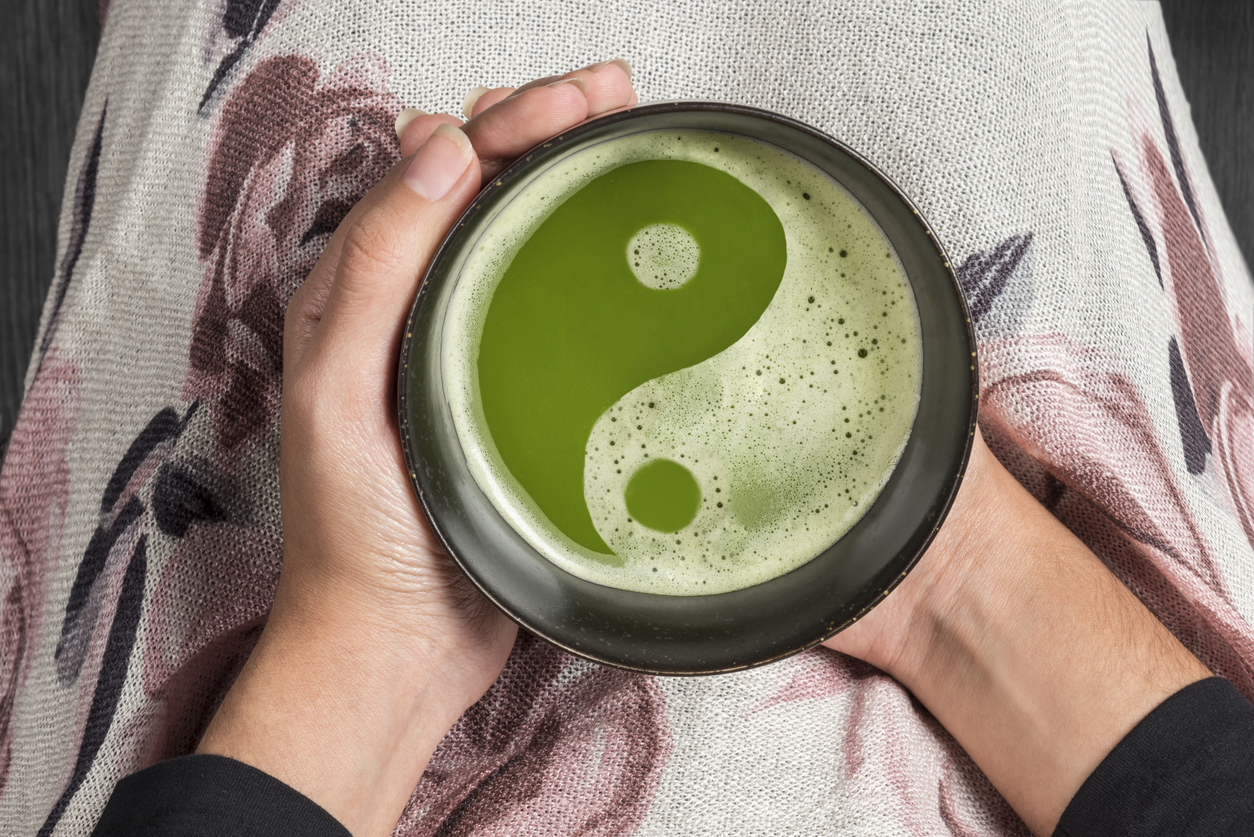
medicine that focuses on the circular movement of qi (pronounced “chee”), xue
(pronounced “shui”) and yin/yang.
Acupuncture and herbal therapy are common treatment methods in traditional
Chinese medicine, but a wide range of other modalities may also be employed to
treat disease and promote health. They include cupping https://ultimatesportsdaily.com/news/introducing-the-power-of-cell-, Chinese therapeutic
massage, tui na, qigong and herbology, among others.
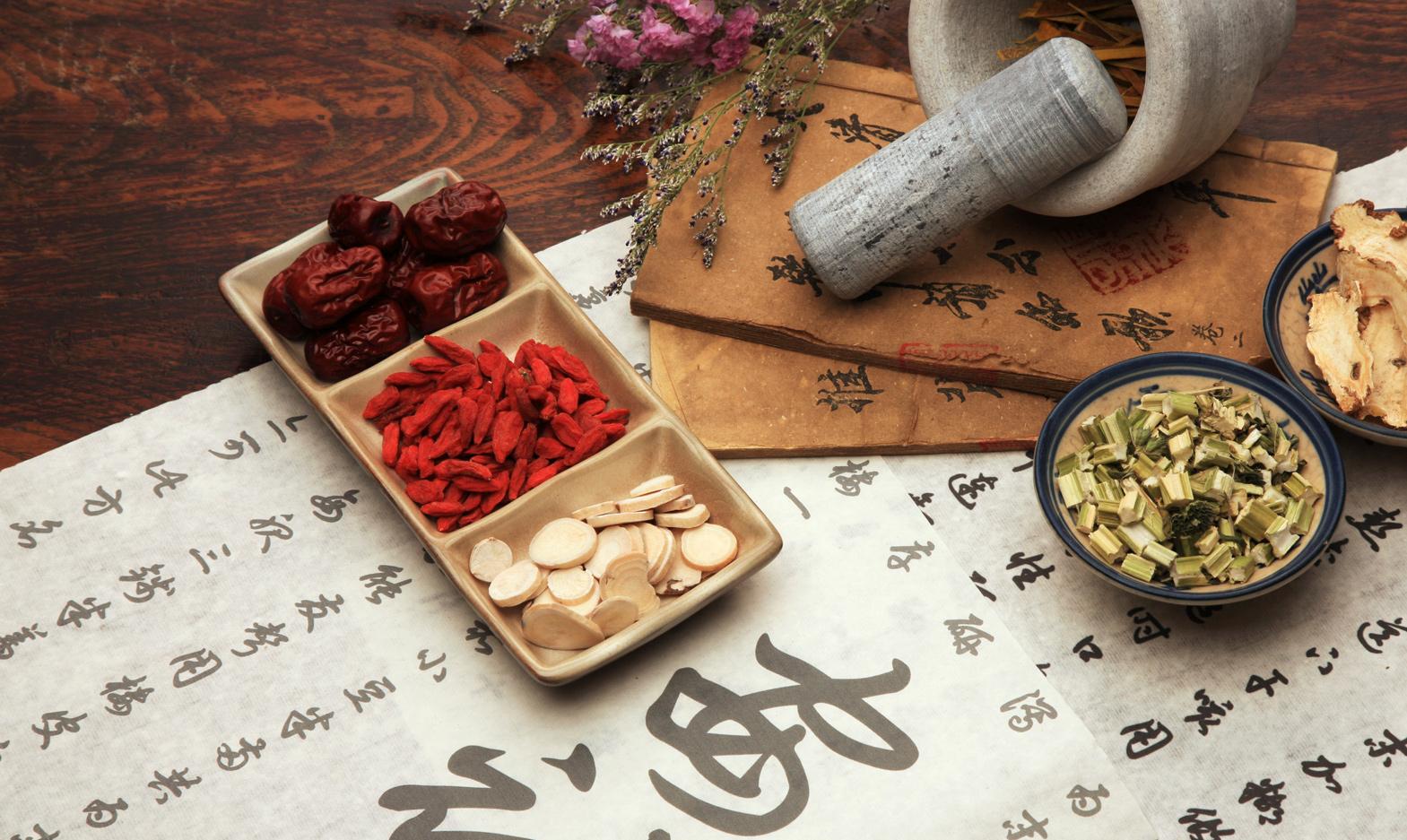
Herbs are believed to have medicinal properties that affect the body’s overall health
and function, including its organ systems. They are often prescribed in formulas,
rather than individual herbs, and can be taken for a variety of conditions, including
pain, stress, anxiety, digestive problems, fibromyalgia, insomnia and a variety of
other health issues.
Meridians are considered to be the pathways that qi (life energy) travels through
and are said to influence organ function and immune system balance. When these
pathways become blocked or obstructed, illness is said to ensue.
Deficiency or excess of qi is a primary cause of illness, according to traditional
Chinese medicine. This imbalance can lead to many different types of problems,
from fatigue and lowered immunity to breathing difficulties and poor digestion.
The underlying principle behind Chinese medicine is that the body is made up of a
network of meridian points, each representing an organ system. When a particular
organ is out of balance, illness occurs and Chinese medicine practitioners attempt to
restore qi flow to each organ system to restore balance.
Acupuncture uses needles to stimulate the acupuncture points on the body,
promoting the circulation of qi. It has been shown to have pain-relieving, anti-
inflammatory, hormone-regulating and immunostimulating effects.
Chinese herbs can be used to support the healing process of an ailment, and can be
combined with acupuncture to achieve greater effectiveness. Whether herbs should
be taken alone or in combination with acupuncture depends on the diagnosis and
patient needs, and a qualified traditional Chinese medicine practitioner will make
that determination.
Herbs can be found in a wide range of forms, with many different names and
different pharmacological properties. Some are derived from plants, while others are
made from animals or minerals. Herbs have been used since ancient times to treat a
variety of diseases, and are thought to work by enhancing the circulation of qi
throughout the body.
The ancient texts that describe chinese medicine were written thousands of years
ago and can be traced to the Shang Dynasty (15th to 11th century BCE) and the Han
Dynasty (206 BCE to 220 CE). These documents explain that the human body is
composed of qi, xue and yin/yang.
Symptoms that indicate an imbalance of qi, xue or yin/yang include: weakness,
fever, dry eyes and throat, insomnia, constipation and headache. They can be
caused by a variety of factors, including emotional upset, overuse, pollution and
illness, such as colds or flu.